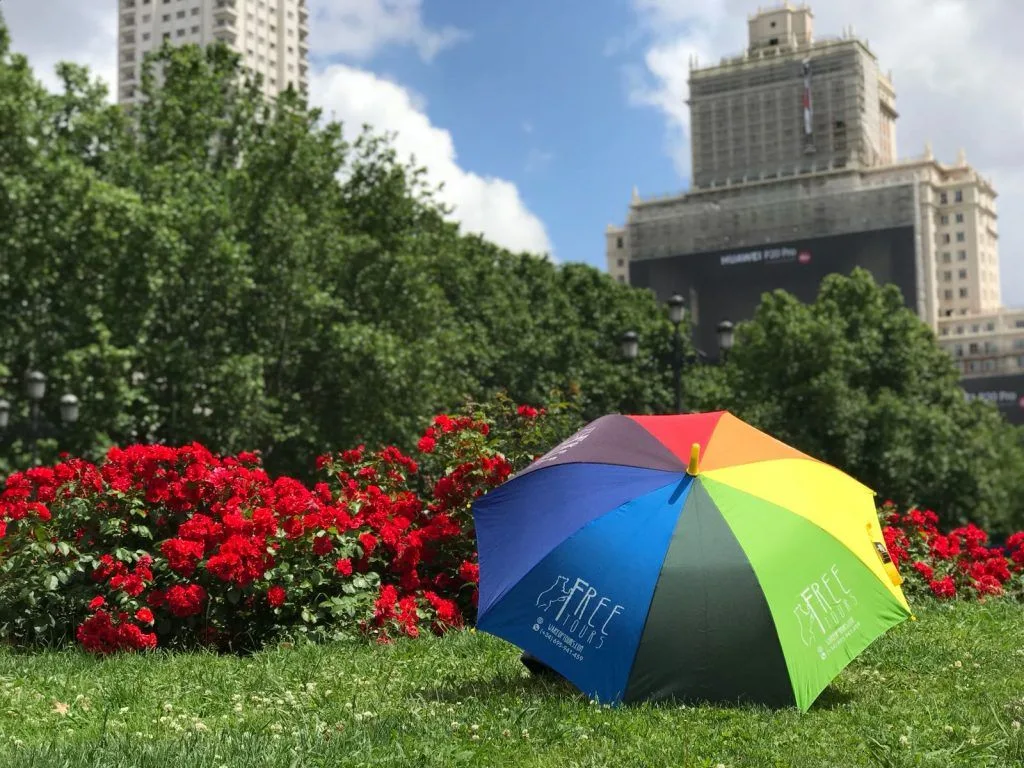
We can't deny that at Wake Up we're the kind of people who like to prepare everything well in advance, get well informed before getting to know a place, and read different opinions to draw conclusions close to what our traveling souls really want.
That's why we've decided to put together a roundup of the city we know most perfectly, Madrid, to help many of the world's travelers complete the sacred mission of properly organizing their stay in the city. The Spanish capital is so big and has so many things to see and do, that sometimes covering it is an extremely difficult task.
DAY ONE
Morning
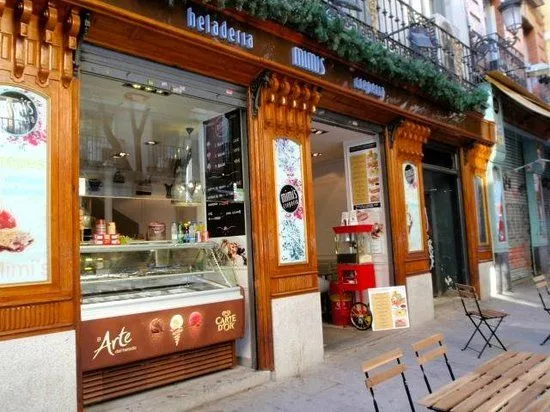
The first contact with the city should without a doubt be with its most authentic past, with the original center of what it once was, in order to understand what it has become. So the first thing we'll do is take the Metro/Renfe Cercanías to Puerta del Sol to begin our adventure.Where to have breakfast? We'll give you several options, depending also on the time of year you visit the city. In winter you can't miss trying some of the famous churrerías around the center — the most famous is the very old San Ginés (€3.50 for a serving of churros with chocolate) or Chocolatería Valor which has a similar price and is nearby. If the weather's good and you fancy a smoothie, a frappé or something to have on a terrace without losing too much time, we recommend Mimi's Crepería (about €4.50 for a crêpe), which has a wide selection and is right next to our next stop: La Plaza Mayor.
This wonderful plaza was the meeting point of the Madrileños for many years, and currently cultural activities still take place there very often. There you'll come across a necessary first stop: the tourist information point of the Comunidad de Madrid, where you can stock up on maps, brochures and other things of interest about the city. Plus, here you can find us every morning at 11:00 under the Rainbow Umbrellas to discover the city's historic center in greater depth with some of our Tours.
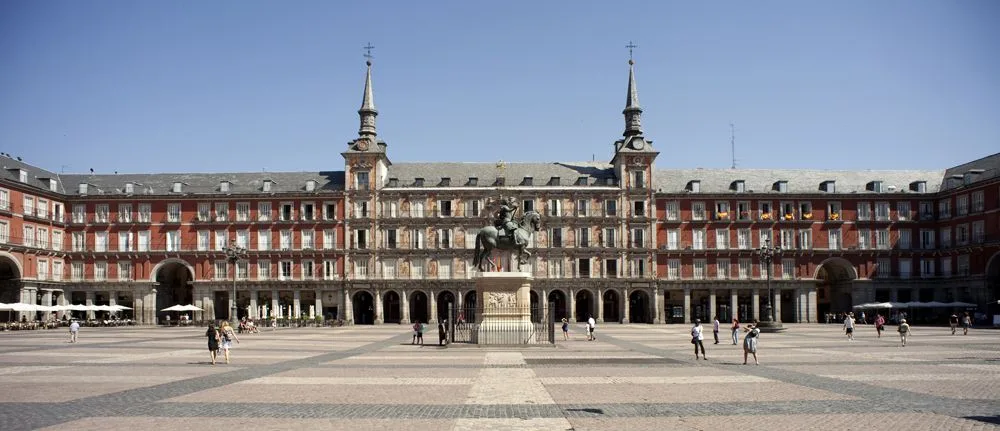
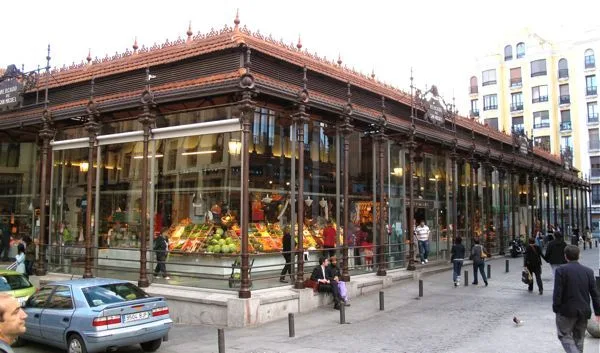
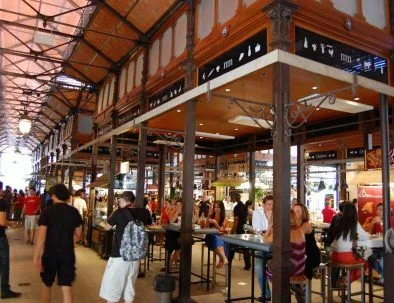
After taking a couple of photos of the gigantic horse of Felipe III we'll head to see the Mercado de San Miguel and the area of old taverns around the Plaza. This wide area was once the settlement of various craftsmen's workshops and guilds, so you'll find lots of century-old businesses that are the oldest in the capital and have invaluable worth (the hat shop, the restaurant Sobrino de Botín, the Posada del Peine, etc.). We don't recommend buying anything here because of the high prices and the swarm of people that's always there, but it's worth highlighting that architecturally it's worth taking a look at the market and the atmosphere there every morning.
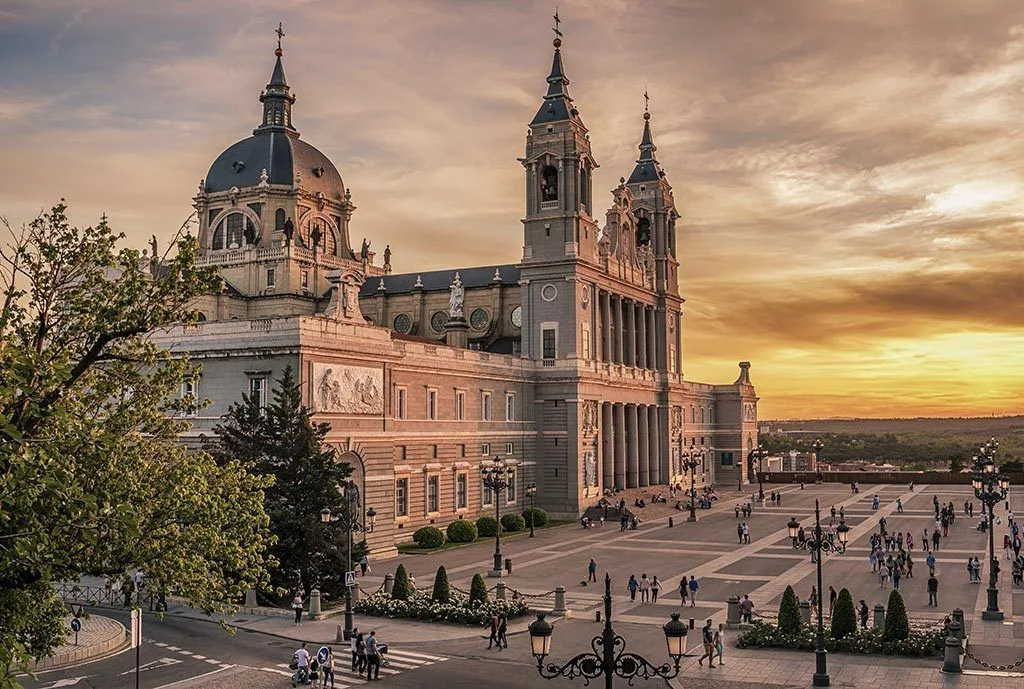
If you walk all the way down Calle Mayor you'll reach the ruins of the first church the city's Patron Saint had — and right across you'll see the new and monumental Catedral de la Almudena. It's one of the few free cathedrals in Spain, and its originality compared to what we're used to visiting surprises everyone who gives it a few minutes.
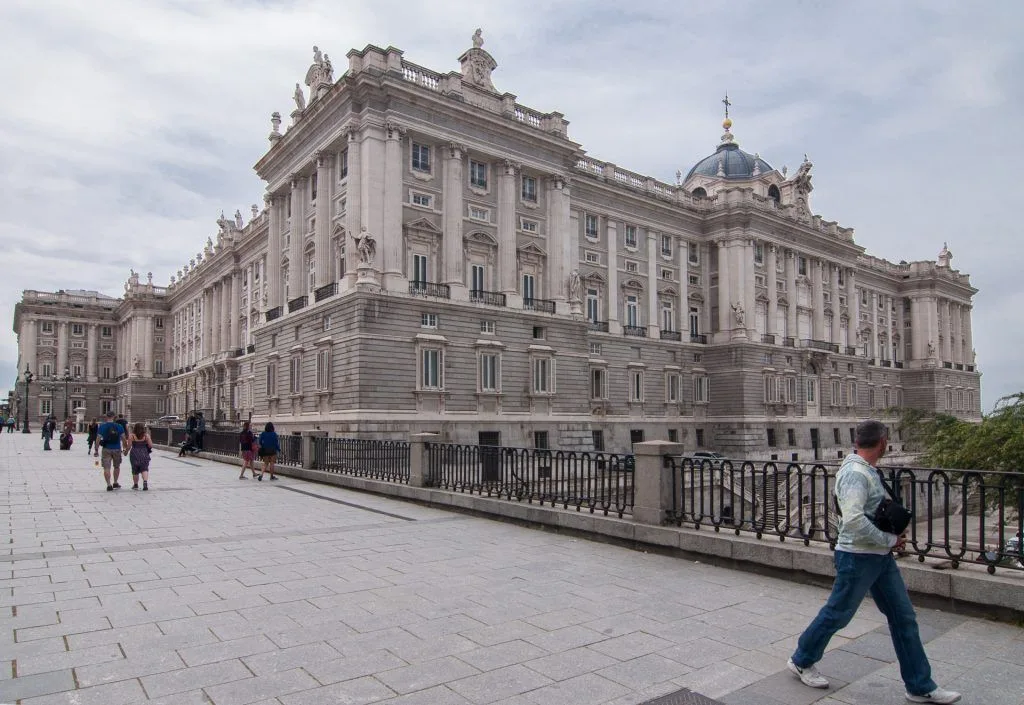
Right next to the cathedral is our beloved Royal Palace, a city gem that — although it doesn't look like it at first glance — is one of the largest palaces in Europe. We don't recommend visiting it inside since there's little time, so if you want to take beautiful photos the best is to go up to the park right in front of the Plaza de Armas, where the best panoramic shots of the complex with Casa de Campo in the background can be found.
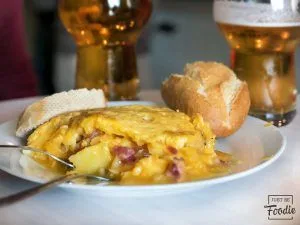
Where to eat? Once we finish our walk through Habsburg Madrid we'll have worked up an appetite, and it's true that the entire central area is a bit tourist-focused with high prices, so it's better to head to some of the nearby neighborhoods to grab a bite, do some tapeo and compare lunch menus. La Latina is a very good option, very close to Plaza Mayor and with many tapas spots, plus the legendary Casa Lucio, or for tortilla lovers, Pez Tortilla.
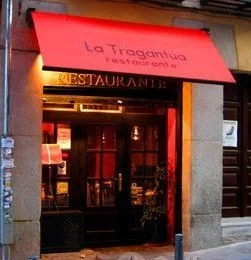
The Tirso de Molina area and the Barrio de las Letras also have plenty of options where you can have a caña with affordable raciones or pinchos. We recommend La Tragantúa for variety, quality and menu. Mind you, call to book a table because, although it's small, it tends to always be packed.
AFTERNOON
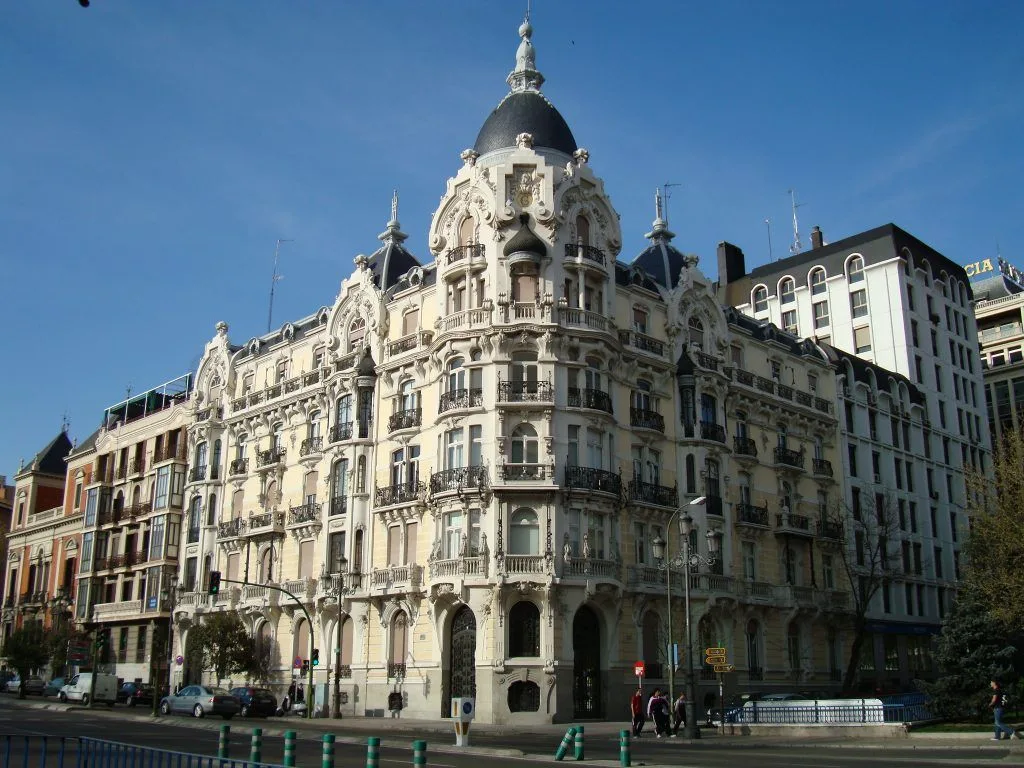
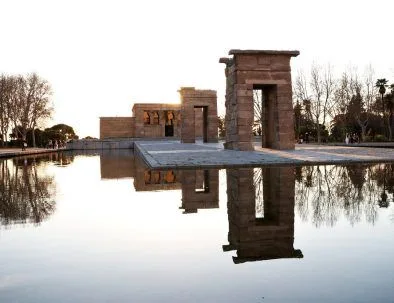
Our walk can't end with the historic center, because Madrid afternoons are full of life, especially if we head to the most famous shops and parks. That's why we recommend taking a walk down Madrid's Broadway, the Gran Vía, to reach Plaza de España and grab an ice cream. In this landscaped space you can take a breather and admire some of the buildings of Spanish Modernism like El Gallardo. Loaded with sugar we'll head to wrap up the afternoon at the Egyptian Templo de Debod, about 10 minutes' walk from Plaza España, where you can admire some of the most beautiful sunsets in the city. The interior is currently closed, but the sunset photo really deserves a moment.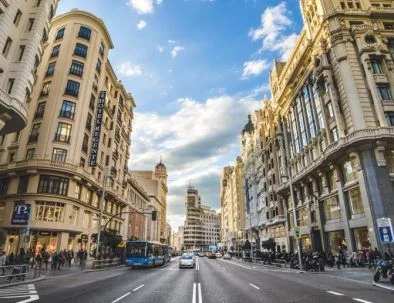
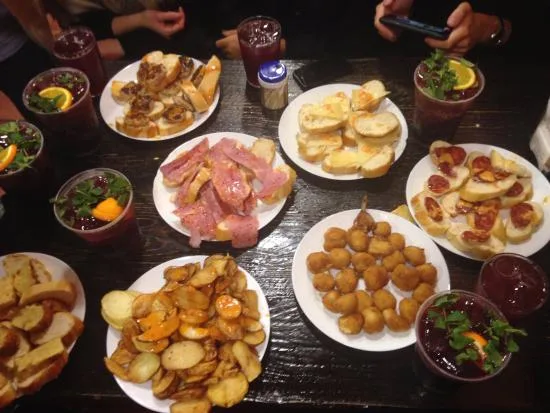
Where to have dinner? The youth and the buzz of Madrid nights have for years concentrated in the peculiar Las Maravillas neighborhood, what we today know as the Malasaña neighborhood. Small narrow streets will take us to discover many tapas and food spots, almost all with very good options and references. Don't miss trying the croquetas at Casa Julio and the tortilla at Ponte Pez — delicacies that can't disappoint any human being. We also recommend the Mercado de San Ildefonso on Fuencarral, or if you head toward Chueca, the bar where they serve the biggest tapas in Madrid: El Tigre.
And only for the bravest who still have strength for more — perhaps they'd fancy a drink with city views at night. We push you to check our blog of the best Rooftops: Madrid rooftops
DAY TWO
MORNING
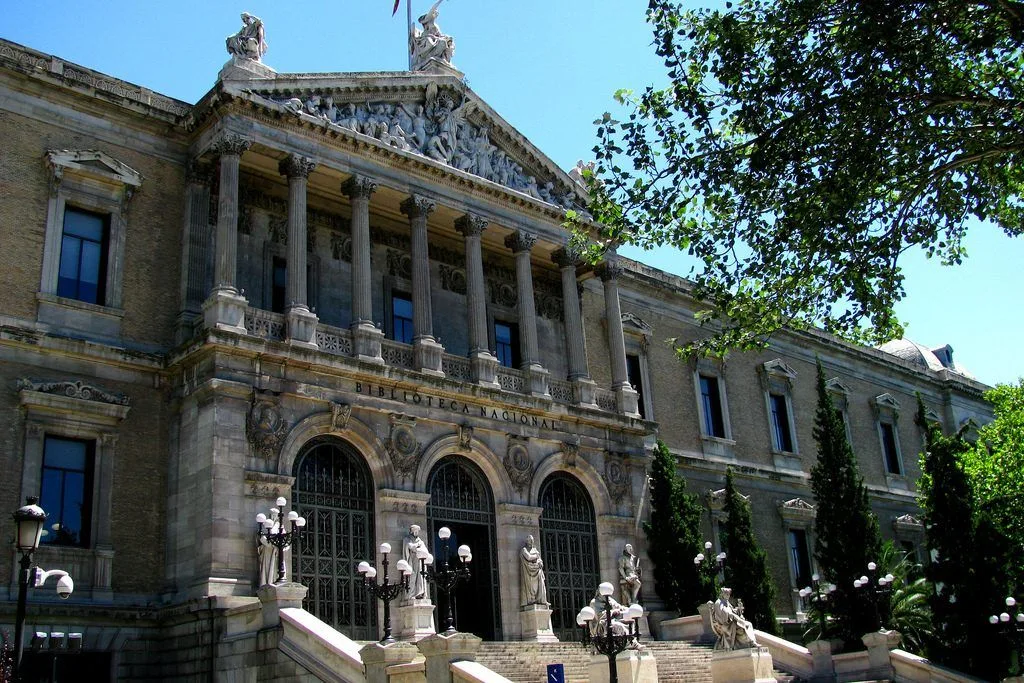
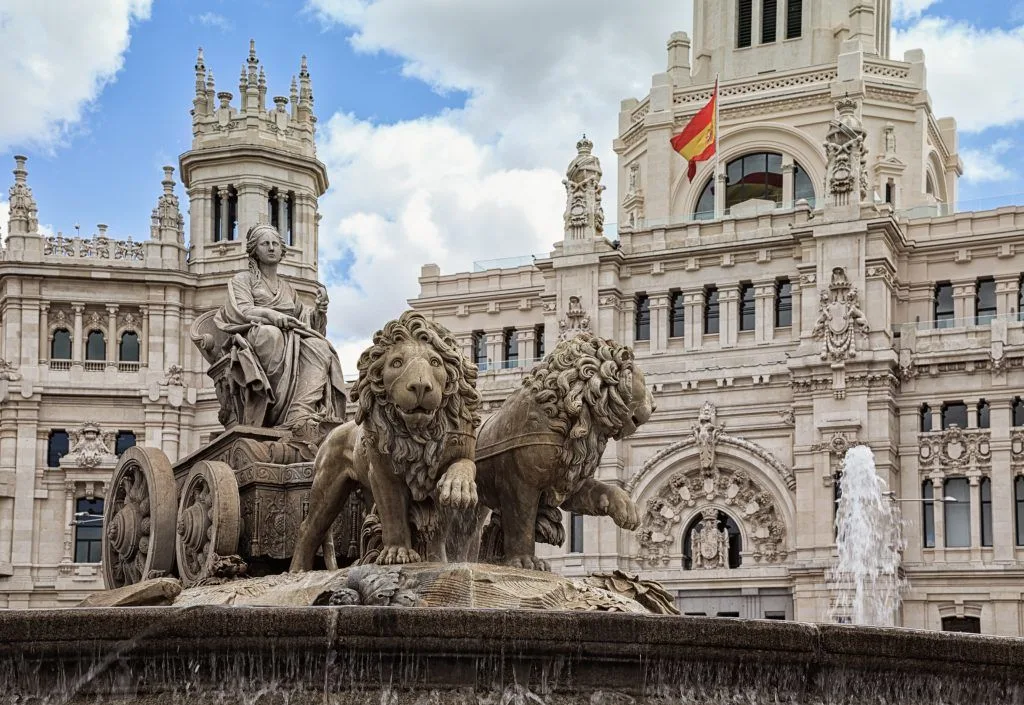
First things first: gather strength with a good breakfast, and for the most demanding we urge you to try Mamá Framboise or La Rollerie. Not the cheapest but the best value-for-money pastry shops in Madrid. Today our adventure begins at Recoletos Renfe / Colón Metro.We'll walk through the eastern area of Madrid, enjoying this great avenue full of emblematic buildings like the Biblioteca Nacional, the Teatro Fernán Gómez, the Museo Naval, the Bank of Spain, the Palacio de Linares or the Palacio de Telecomunicaciones. At the Cibeles Fountain, we'll turn to head up to the Puerta de Alcalá to wrap up the monuments. Yes, yes, there it is watching time go by…
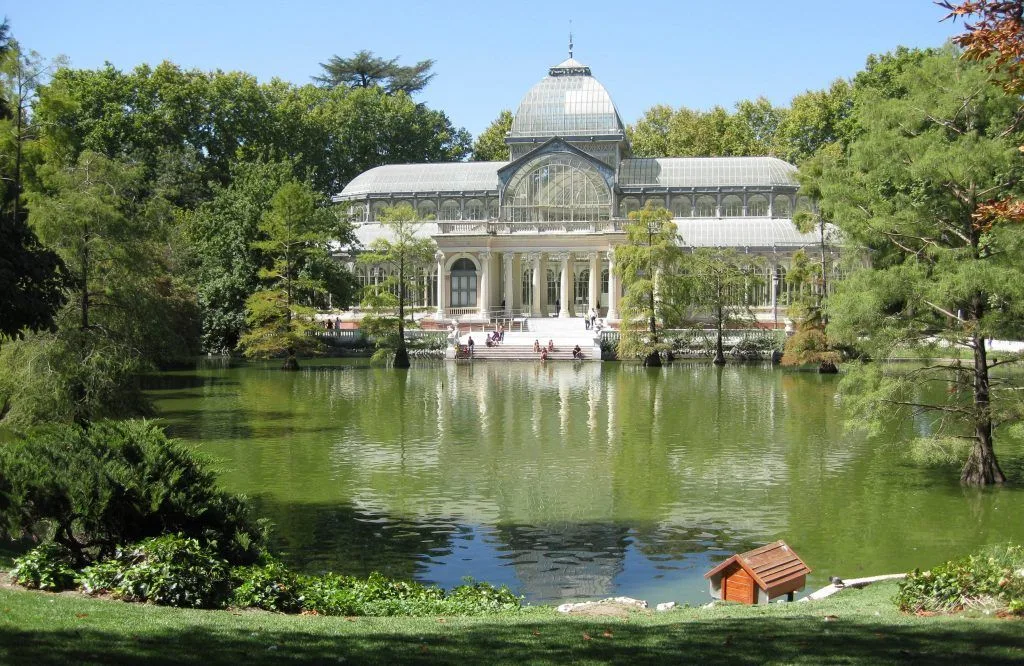
And of course! We'll round off the morning visiting one of Madrid's green lungs. A walking spot for lovers, a meeting place for sports fans, a way out from the worldly noise and city smoke… We're talking about Parque del Retiro, whose extension is impossible to cover in full, but taking a walk around the Central Pond or visiting El Palacio de Cristal will make you fall in love right away. The Park is full of small drink stands, bracelets and crafts and street music.
Where to eat? In this area to eat well and cheap we'll leave you two spots we love. El 17 de Moreto, near the Jerónimos, where they serve the best Brunch in Madrid. And for the burger lovers, Alfredo's Barbacoa, a real American-style meat delight at a great price.
AFTERNOON
After resting after the meal and a good coffee, we'll head to a must-see stop: The Museo Nacional del Prado. It's one of the best museums in the world — and we're not the only ones who say so (although we do too). Titian, Rubens, Velázquez, El Greco, Goya and Bosch are the masters you can't miss. For this we recommend choosing between two different options:- Enter the museum right after lunch by paying the entry fee, which is €15. If you're an art lover, this option is worth it since you have more time, fewer people and more peace to enjoy it.
- Enter during free hours, the last two hours of opening (M–S at 18:00 and Sun at 17:00). You'll have a bit less than two hours to visit, and yes, the line that forms at the Puerta de Goya is quite long. We recommend going AT LEAST one hour earlier. You can also choose to enter with a guide, for which Wake Up has very small groups available during these hours.
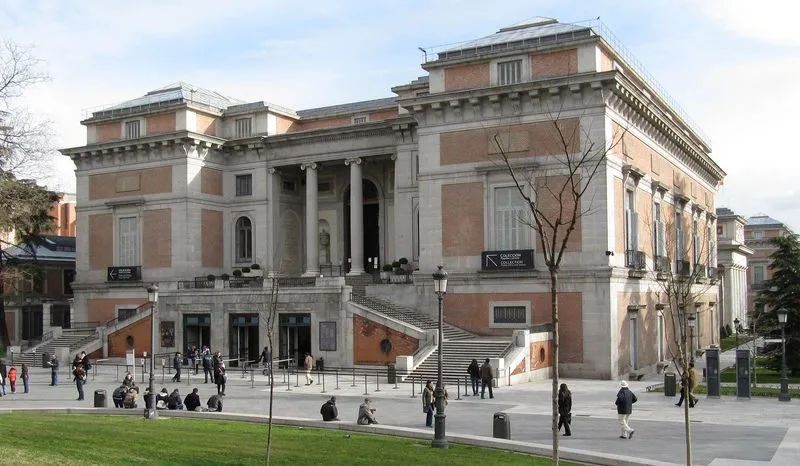
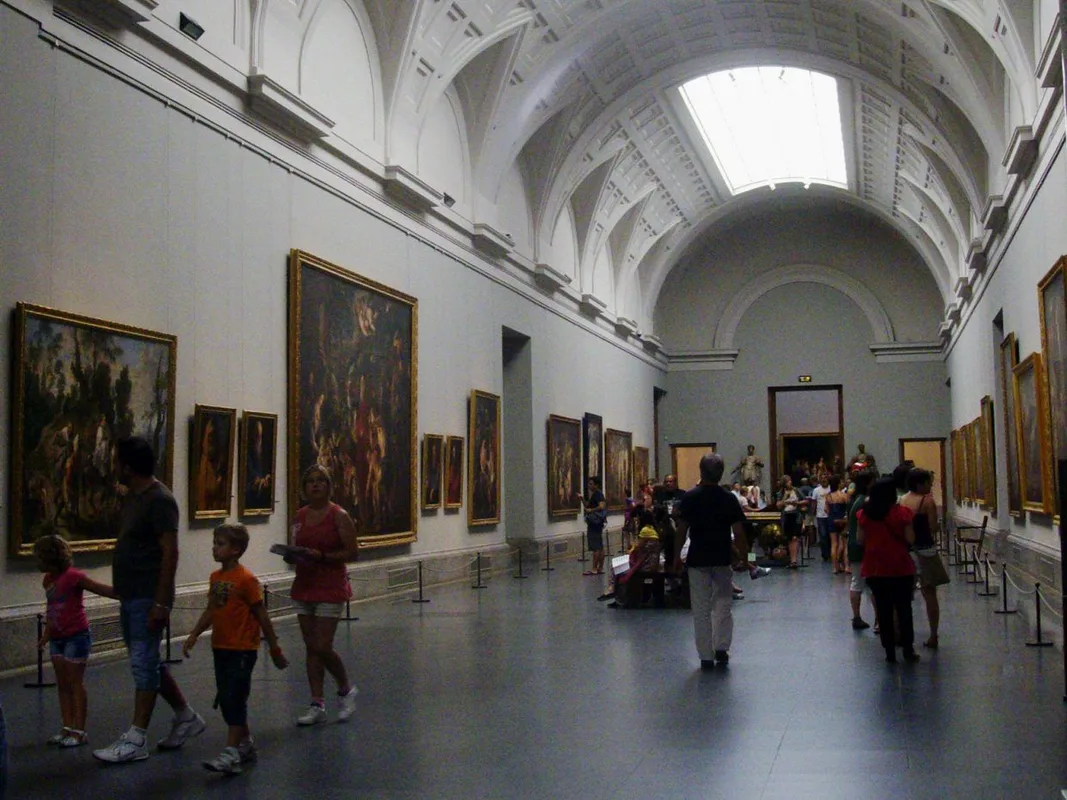
We're tired, that's true. But we're going to make the most of the last hours we have left in the city to get to know a little more of the city that never sleeps. Coming out of the museum we'll head down to Atocha, passing the Royal Botanical Garden, the green façade of the Caixaforum, the Station and the Museo Reina Sofía to close the Triangle of Art.
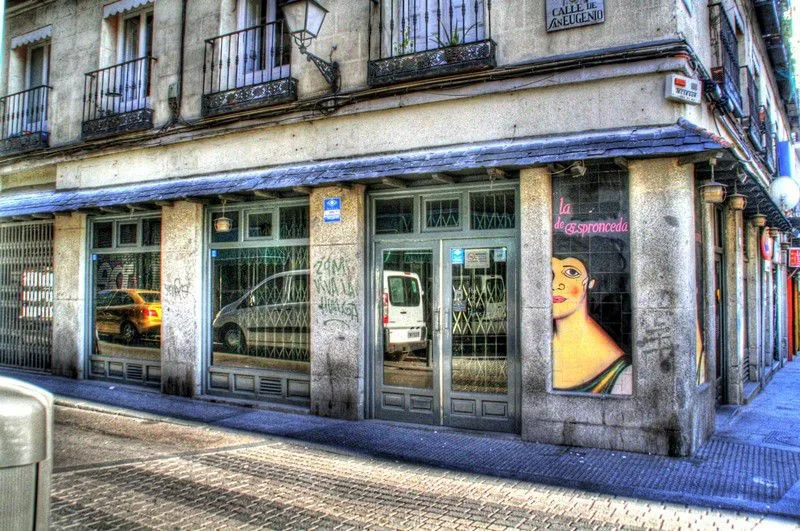
And now, where to have dinner? In this area there are several places where you can drift, although our favorites are in the area behind the Museo Reina Sofía, on Calle Santa Isabel: the Taberna Más Corazón, cheap and with good beer; and La Musa de Espronceda with a huge variety of tapas for any taste.
Plus in this area is the Cine Doré and some very cute and curious bookshop-cafés to wrap up the day nicely.
We close our special tour with a few verses by Luis Quiñones de Benavente, which speak of all that can be found in this wonderful city. You may not get to visit it all in such little time — but you can always come back…
«Pues el invierno y el verano,
en Madrid solo son buenos,
desde la cuna a Madrid,
y desde Madrid al Cielo».