Not as much as we'd like remains of what we know as castizo Madrid — yet we still find the best face of that lively city in some small corners of the La Latina and Lavapiés neighborhoods. Without a doubt, these are our favorite neighborhoods to walk around and discover little by little. In this post we'll tell you what life was like long ago and we'll get up close to some of the most famous corralas in these areas.
What is a corrala and why are they so famous in old Madrid? Today more than ever we have to gather the testimony of these old buildings that became established as the housing model in the capital during the 17th, 18th and 19th centuries. This popular building model consists mainly of a "corredor" house with a general wooden frame, whose balconies open onto an inner courtyard. What we today would know as a "radiopatio" from Aquí no hay quien viva. These buildings were also the setting for some immortal works like Fortunata y Jacinta by Benito Pérez Galdós.
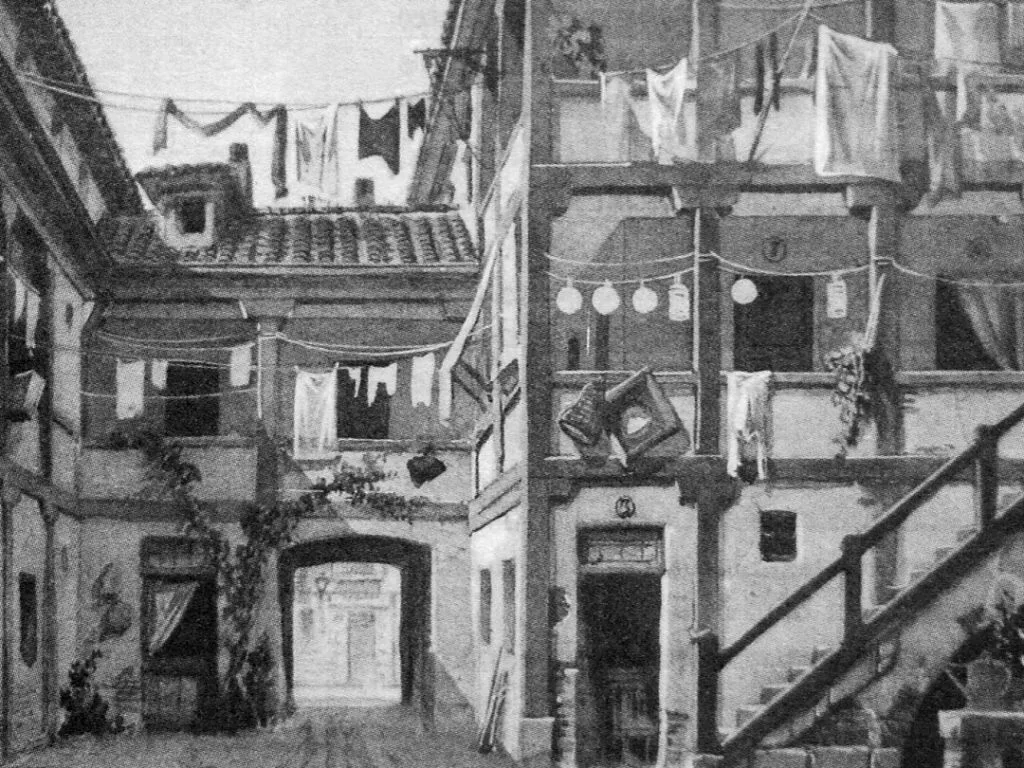
It's also worth keeping in mind that the corrala typology takes elements from two other typical buildings of Baroque Madrid, like for example what was called "casas a la malicia" (with 2 floors but appearing from outside to be only one). They also adapt the corrales de comedias by using the central courtyard as the place where all the home life takes place. We have to think they were dark, small, poorly ventilated, unable to exceed 30 meters… The corrala also represented a distinction in the social pyramid. And of course, given these conditions, the common areas offered the necessary breathing space and were the place to spend hours chatting with the neighbors and have a social life.
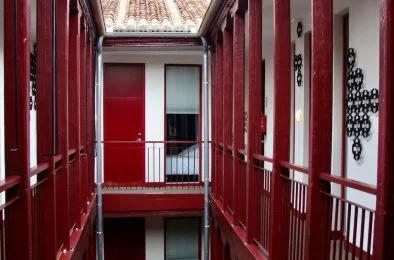
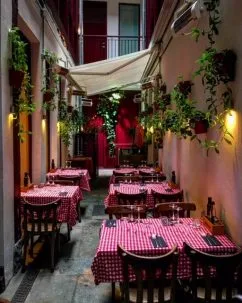
Already into the 17th century the famous Marqués de Cubas, following the popular construction model and the relevant architectural specifications, ordered the building of the famous Posada del Dragón on Calle Cava Baja. Its name was due to the mythological animal that gave its name to the closest gate of the wall — the one we know as Puerta Cerrada. In fact, in some of its rooms and in the restaurant, you can see the remains that survive of Madrid's old medieval Christian wall. Something unique and special, without a doubt.
The ground floor housed a stable and coach house for up to three carriages, and the rest of the floors were for the guests. Currently, alongside its adjacent companion the Posada del León, it's one of the most emblematic, historic and protected buildings of La Latina, since it still holds the charm of that castizo Madrid and over the years has known how to combine tradition and the modernity that a place with so much weight as this needs. It can be visited freely outside meal times. We recommend it!
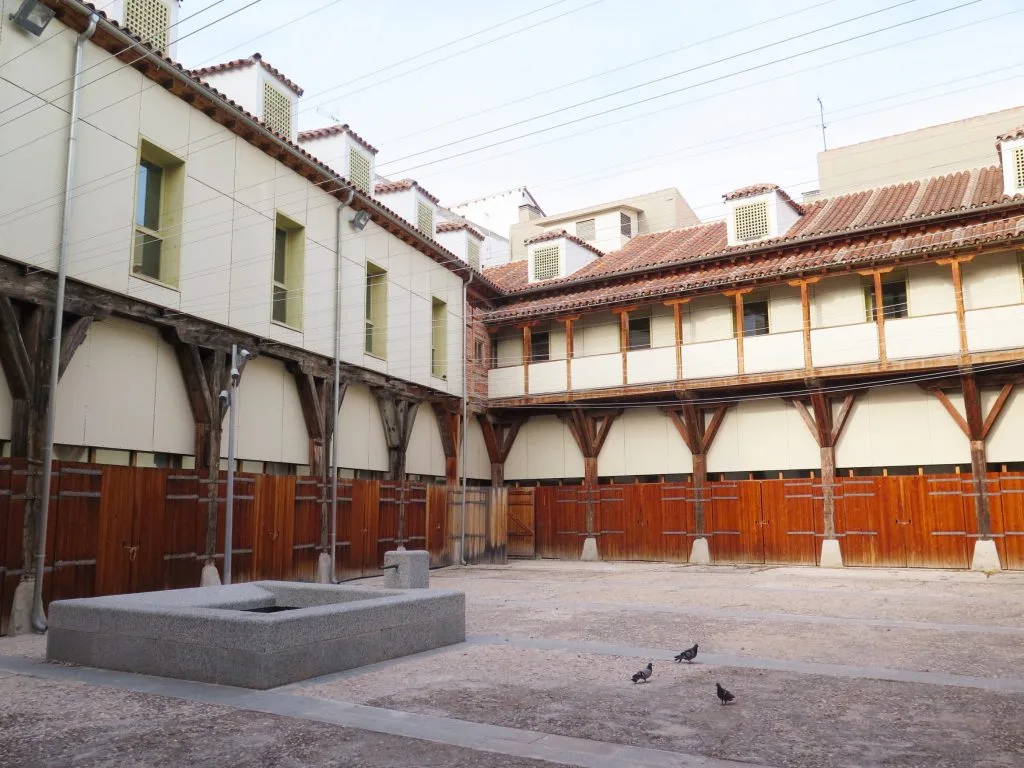
Another of the oldest and best-preserved corralas we have in Madrid is the one that has today become the Museo de Artes y Tradiciones Populares or commonly known as El Corralón. With that characteristic wooden structure, it's one of the largest in size of those that can still be visited. It's at Calle de Carlos Arniches, number 3, and access is free Monday to Friday from 10:00–20:00 and Saturday from 10:00–14:00.
Close to this museum, if we head toward Calle Ribera de Curtidores — what used to be the old stream that ran near the small hill of El Rastro — we come across our next corrala. Of much larger dimensions and more modern than the previous ones, it occupies numbers 3, 5 and 7 of the same street. Worth mentioning is that this corrala is part of the Rastro of Madrid and its courtyard serves to display some of the stalls of nearby furniture, decoration and figurines shops. Today these dwellings are no longer as small as the old ones, and they're adapted to a much larger central courtyard.
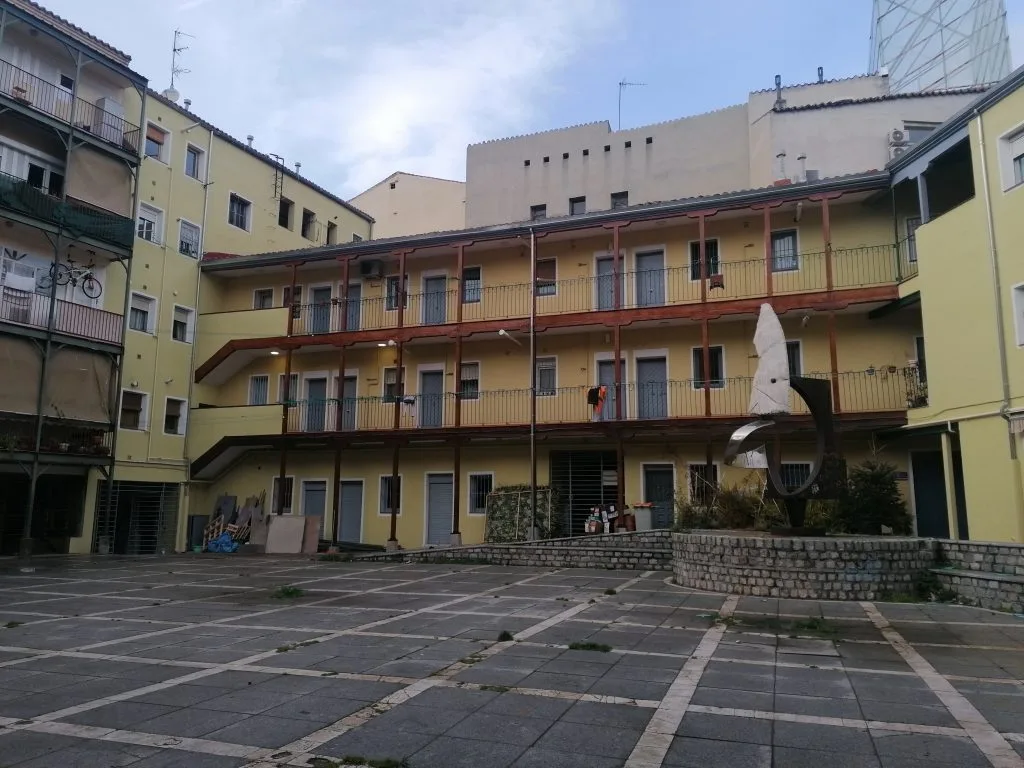
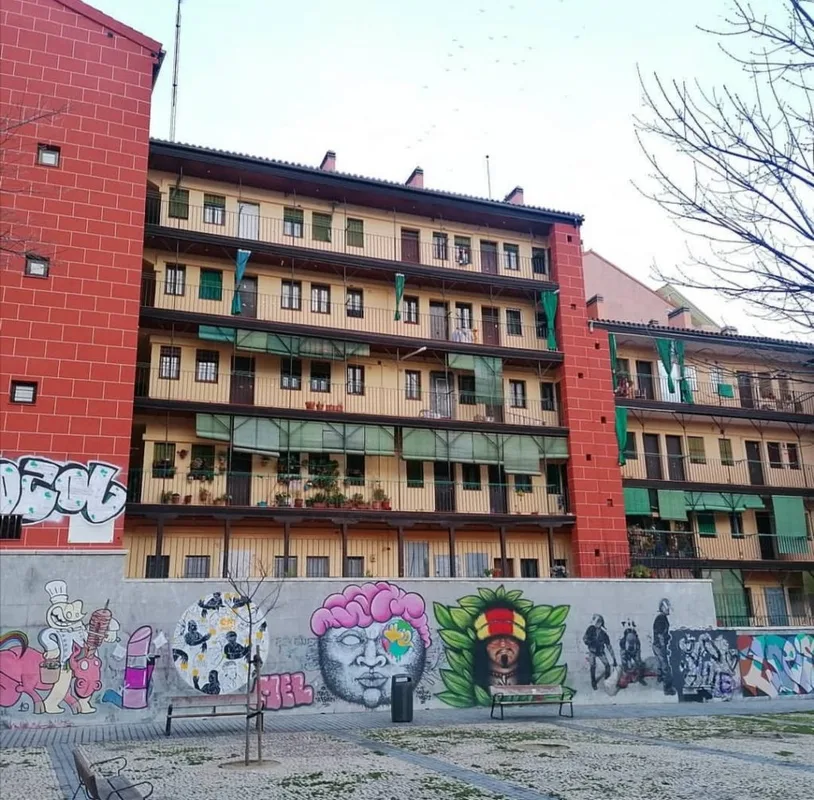
And we arrive at possibly the most famous one — a building complex on Calles Tribulete and Sombrerete, whose old courtyard today opens onto the street of Mesón de Paredes in front of the Escuelas Pías de San Fernando. Built in 1839 according to the project of José María de Mariátegui, like the previous ones it was rehabilitated in the 1980s. It's the one chosen as the architectural model par excellence, and additionally — thanks to the demolition of the adjacent building — we can practically step into what was the inside of that corridor that joined the dwellings. It was named a Property of Cultural Interest and National Monument in 1977 before being renovated. Plus, as a curiosity: it inspired the zarzuela La Revoltosa by Ruperto Chapí.
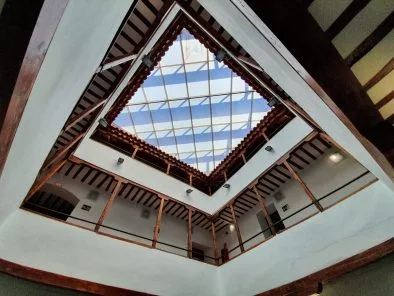
And the last one we'd like to tell you about is one hidden on Calle de la Cabeza, number 14. Near Plaza de Tirso de Molina, this old building is today a Senior Center of the Comunidad de Madrid, but inside it has intact one of these old Madrid corralas, and although recently renovated, it still inspires a certain castizo flavor and immerses us in how those low-class men and women lived centuries ago.
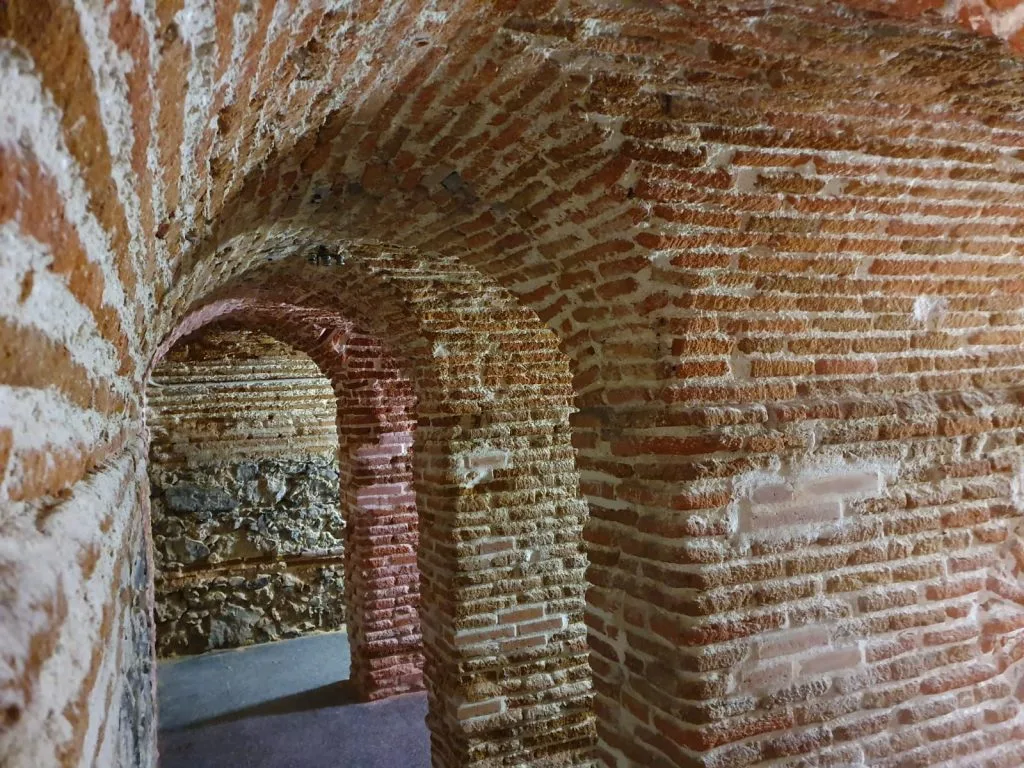
But what was this old building before? Well, if we go down to its basements we come across a great surprise: old dungeons with brick vaults and connections through small lateral windows. These dungeons belonged in the 18th century to the Cárcel Eclesiástica de la Corona (Ecclesiastical Prison of the Crown), which remained active until the time of Alfonso XII, and where it's said that one of the monks of the nearby convent mysteriously died at the hands of the people. Impressive! You have to go visit it!
If you're hungry to know more, don't hesitate to see all the free walking tours in Madrid we offer at https://wakeuptours.com and discover Madrid in a different way.